You can control your drivers. You can control your routes. But when it comes to fuel prices? You’re at the mercy of the pump—and the meter never stops ticking.
For most fleets, fuel is no longer just an operating cost. It’s the cost. In some operations, it eats up 60% of variable expenses—more than maintenance, more than labor, sometimes more than payroll. And the real kicker? A good chunk of it is completely avoidable.
Untracked idling. Off-route stops. Sloppy refueling. Bad driving habits. These silent leaks add up fast—and if you’re not tracking them, you’re paying for them.
The smartest fleets aren’t just looking at fuel receipts. They’re managing fuel like a strategy—with real-time visibility, smarter tech, and systems that turn every drop into data.
Because when margins are tight and fuel is unpredictable, control isn’t optional—it’s how you stay in business.
Where the Fuel Actually Goes — And What You’re Missing
Fuel costs don’t just spike because of market prices. They spike because of what slips through the cracks.
Most fleets focus on what they pay at the pump—but that’s only part of the picture. The real drain comes from what isn’t tracked: engines idling through lunch breaks, drivers taking detours, or equipment left running between jobs. None of it shows up on a receipt—but it shows up in your monthly fuel spend.
According to FleetOwner, large fleets that focus on fuel behavior—things like idling, routing, and coaching—consistently reduce fuel spend by 5% to 10% per year. That’s money lost not to fuel prices, but to inefficiency.
Take a construction fleet, for example. Crews arrive early, fire up equipment, and let it run while staging the job site. Multiply that across 15 trucks and machines, 5 days a week, and the result is thousands in wasted fuel each month—without a single “wrong” action.
Without visibility into where the fuel is going, it’s impossible to make a real dent in what you’re spending.
Tracking Fuel in Real Time — What Good Looks Like
You can’t cut what you can’t see. And in most fleets, fuel waste hides in plain sight.
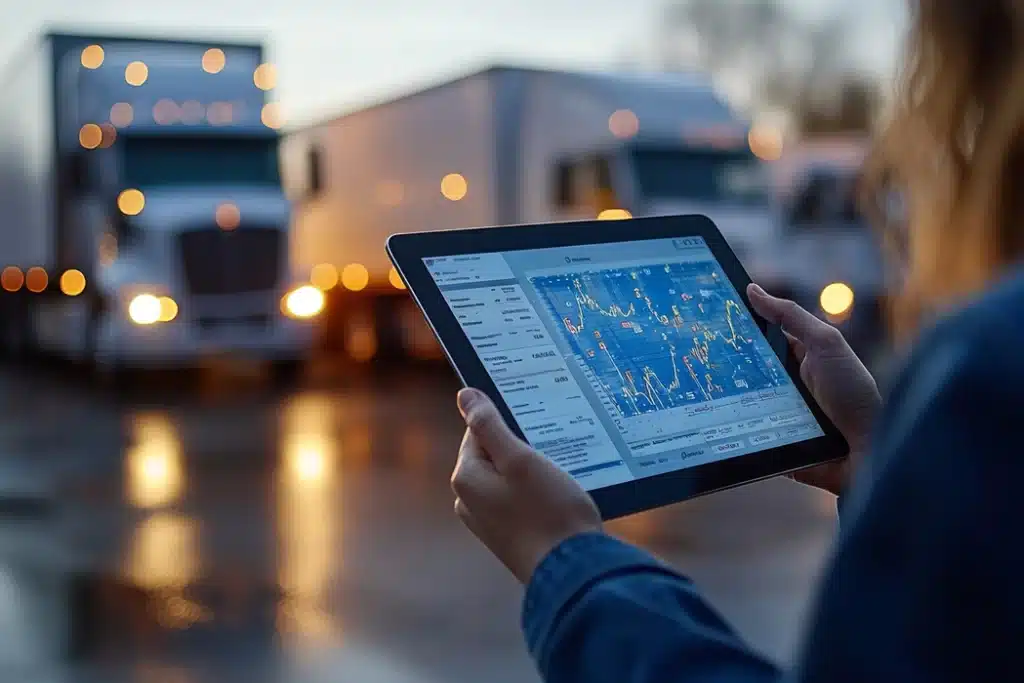
The difference between reactive and strategic fuel management comes down to visibility. Real-time data exposes the red flags: a fuel-up during off-hours, a vehicle idling too long, or a truck burning more fuel than its peers on the same route. These aren’t just metrics—they’re early warnings.
And the savings are real. A multi-year analysis of U.S. commercial operations found that tracking vehicle and driver data with telematics can reduce fuel costs by up to 13%.
What does good look like?
- Live fuel consumption dashboards per vehicle
- Fuel card integration to catch suspicious fill-ups
- Alerts when idling exceeds set thresholds
- Historical trends to spot underperforming assets
For fleets looking to get ahead of the curve, platforms like ZenduIT’s Fuel Management and Fleet Telematics tools combine this data into one view—turning fuel from a fixed cost into a controllable one.
Real-time tracking doesn’t just cut waste. It makes fuel spend predictable, trackable, and—most importantly—manageable.
Driver Behavior Still Matters — A Lot
No technology can outrun a lead foot.
Even with the best fuel management systems in place, driver behavior remains one of the biggest levers in reducing fuel consumption. From rapid acceleration to excessive idling, the way your team drives directly impacts your bottom line.
According to the U.S. Department of Energy, aggressive driving—things like speeding, hard braking, and fast acceleration—can lower fuel economy by up to 40%. That’s not a small dent. That’s thousands in avoidable costs across even a mid-sized fleet.
What works? Coaching, feedback, and clear metrics. Fleets that pair real-time monitoring with ongoing behavior insights see the biggest improvement—not just in fuel spend, but in vehicle wear, maintenance costs, and even accident rates.
Self-installable telematics and coaching tools have shown fuel waste reductions of 60–70% in operations that focus on high-idle or hard-driving behaviors.
ZenduIT’s ZenScore helps turn this into a daily routine—ranking drivers based on actual fuel impact, not just guesswork. It’s not about policing. It’s about giving teams the tools to drive smarter.
One logistics company saw fuel efficiency jump 18% in 60 days—just by coaching the bottom 20% of drivers on smoother acceleration and reduced idle time.
Small habits. Big difference.
Better Routes = Less Waste (And Happier Drivers)
Every extra mile is a leak in your fuel budget. And the more chaotic your routes, the faster it adds up.
It’s not just about distance—it’s about how that distance gets driven. Bad routing creates detours, traffic delays, and backtracking that burn both fuel and time. Drivers end up frustrated, and operations fall behind schedule.
Telematics systems have proven that smarter routing works. In public sector fleets alone, fuel costs were cut by up to 14% simply by tracking route efficiency, driver behavior, and optimizing trip planning.
High-performing fleets use:
- Traffic-aware dispatch tools
- Real-time rerouting based on road closures
- Drop sequencing to minimize downtime between stops
- Scheduled routing to avoid peak congestion windows
ZenduIT’s Routing & Dispatch platform supports these strategies with live maps, vehicle tracking, and route compliance alerts—built to keep miles low and delivery performance high.
One food delivery fleet serving metro areas reduced fuel usage by 12% after reordering daily stops based on proximity and congestion trends. On-time deliveries went up, driver stress went down, and weekly fuel costs dropped fast.
Route efficiency isn’t just about logistics—it’s a fuel strategy that pays for itself.
The Business Impact — From Cost Control to Competitive Edge
TCutting fuel costs isn’t just about squeezing more miles from a gallon. It’s about making your entire operation stronger.
When fuel becomes predictable, everything else gets easier—budgets, bids, growth planning. Lower fuel spend translates directly into higher profit per mile, which means you can price more competitively or reinvest in scaling the business.
According to G2’s fleet management report, 55% of fleets reported reduced fuel costs after adopting telematics and fleet software—with some city fleets slashing idle time by 50%. That kind of control doesn’t just lower expenses—it opens strategic doors.
Think about it:
- Lower operating costs give you more room in tight-margin contracts
- Fuel data strengthens sustainability reports for ESG-driven clients
- Consistent performance reduces surprises in monthly financials
- Higher efficiency helps you win more RFPs with better cost-per-mile
Long-term case studies have shown that fleets using telematics achieve fuel cost reductions beyond 20%, largely through routing and idle-time improvements. In many cases, they also reported improved driver retention and better asset utilization.
Fuel management isn’t just a line-item tactic—it’s a competitive advantage..
Final Word: Every Drop Counts
You can’t control fuel prices—but you can control what you do about them.
Fleets that treat fuel like a fixed cost are stuck reacting. The ones that win? They track it, manage it, and use that data to drive every other part of the business forward.
Whether it’s cutting idle time, coaching drivers, or building smarter routes, the tools are already out there. The real shift is mindset—fuel isn’t just an expense, it’s a strategy.
ZenduIT helps make that strategy work. With visibility, tracking, and real-time insights across vehicles, drivers, and assets, every drop of fuel becomes an opportunity to cut waste and boost performance.
Because at the end of the day, the fleets that move with purpose—move ahead.