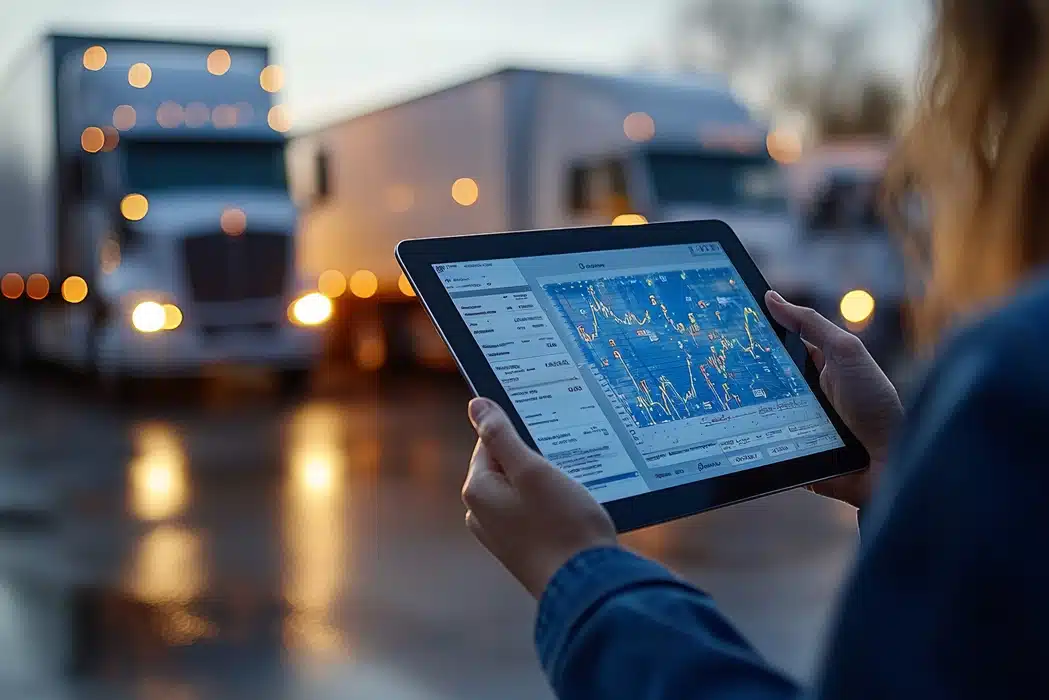
Fleet costs aren’t just creeping up — they’re exploding. Fleets that adopt preventive maintenance, smarter replacement cycles, and telematics see up to 15% lower operating costs.
But most fleets aren’t doing this — not consistently. Many still rely on outdated scheduling, paper logs, or gut-feel decision-making. That creates a lot of blind spots: missed maintenance, idle waste, underused vehicles, and inefficient routes.
This article breaks down five practical changes that consistently improve performance across logistics, construction, municipal, and service fleets. If you’re wondering how to improve fleet management without overhauling everything, start here.
Change #1 — Use Fleet Data to Spot Underperformance Early
When you’re managing dozens—or even hundreds—of vehicles, it’s easy for low performers to fly under the radar. But ignoring underused assets, hidden idling trends, or poor driving habits quietly drains your budget.
Tracking utilization, idle time, and maintenance schedules can lead to annual savings of 12% for fleets that consistently monitor their data.
Track vehicle use to reassign or retire wisely
A city sanitation department found that several backup garbage trucks were sitting idle for months. Once utilization data showed how infrequently they were used, the fleet reduced its size, saving on fuel, insurance, and service costs without impacting service delivery.
In the construction sector, site managers used vehicle activity logs to identify which pickups and dump trucks were barely moving between shifts. These vehicles were rotated out to higher-traffic projects, improving asset ROI and reducing unnecessary wear.
Catch idle trends before they spiral
For HVAC and plumbing companies, idle time between jobs often goes unnoticed. One regional service fleet identified technicians who were regularly idling for 30+ minutes between jobs. With idle alerts in place, the company reduced idle time by enforcing a 10-minute shutdown threshold and coaching techs on daily planning.
In municipal transit fleets, buses often idle at depots or during layovers. Once idle reports were reviewed weekly, scheduling adjustments helped cut unnecessary fuel burn during non-peak hours.
Monitor driver behavior, not just mileage
With plug-and-play visibility tools like ZenTrack OBD, fleets get more than just GPS—they see real-time engine data, fault codes, and driving behaviors. A last-mile delivery fleet used this to flag consistent hard braking and acceleration from a group of drivers. After retraining, they saw smoother driving, fewer maintenance issues, and improved fuel economy across that route group.
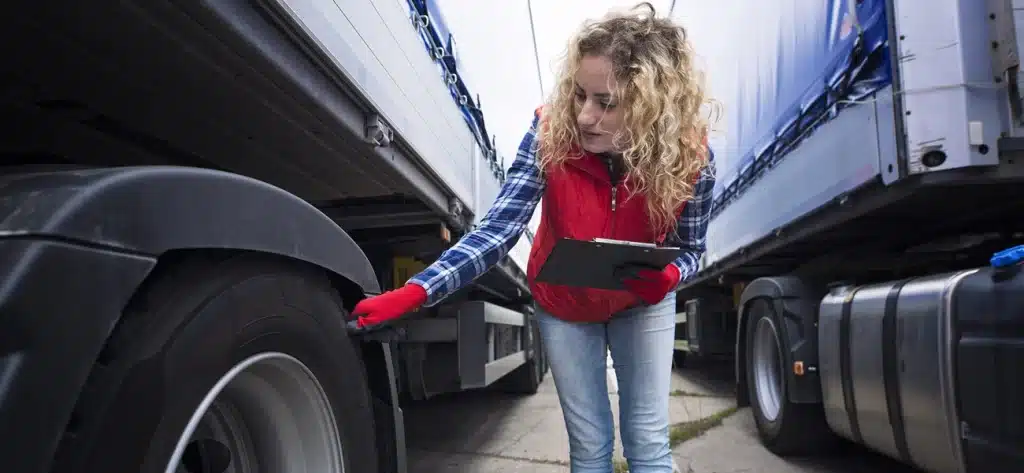
Change #2 — Shift from Reactive to Preventive Maintenance
Unexpected breakdowns don’t just take vehicles off the road — they disrupt schedules, increase downtime costs, and often lead to more expensive repairs than if the issue was caught early.
Digitized maintenance tracking, paired with fuel and engine monitoring, can reduce preventable breakdowns and unplanned maintenance costs by 15–30%.
Set preventive schedules — not just alerts
A logistics fleet was struggling with sudden breakdowns in older vehicles. By syncing odometer-based maintenance triggers into their fleet system, they created consistent service intervals across all vehicle types. That shift alone cut emergency repairs by nearly half in six months.
Construction fleets face unique risks — equipment wear from off-road terrain isn’t always logged. By tracking engine hours and usage patterns instead of just mileage, site managers were able to flag early signs of wear on graders and heavy-duty pickups.
Train drivers to report before failure
In field service fleets, small problems often go unreported — a warning light here, a minor rattle there — until a vehicle stalls on the job. One utility company rolled out a digital pre-trip checklist via mobile devices. Drivers flagged issues earlier, and the shop caught battery, tire, and brake problems before they became roadside emergencies.
Link maintenance to fuel and performance data
Unusual fuel usage can be an early sign of trouble. With ZenTrack Power+, fleets can monitor both fuel trends and key sensor data like engine hours and PTO usage. A landscaping fleet used this to discover one vehicle was burning fuel 15% faster than others — the culprit was a clogged air filter the driver hadn’t reported.
Change #3 — Make Routing Smarter with Real-Time Inputs
A route that looks great on a map can fall apart in real life — especially when traffic, weather, or last-minute jobs get in the way. Without live visibility, dispatchers are stuck guessing, and drivers waste time rerouting on their own.
According to the U.S. Energy Information Administration, fleets that use digital route analysis and tracking have improved delivery efficiency by up to 18%, while reducing missed stops and service delays.
Use live location data to reassign on the fly
In snow removal and public works fleets, weather can derail the plan within an hour. One municipality’s dispatch team started using live GPS and crew locations to reassign nearby vehicles when routes were blocked — keeping response times consistent even during storms.
Account for known delays with route history
A courier fleet operating in dense urban areas pulled past route data to identify slowdowns during school hours, roadwork seasons, and loading dock backups. They adjusted delivery windows and improved on-time arrival rates without adding drivers or vehicles.
Automate route changes — don’t rely on manual updates
Dispatchers in a plumbing and HVAC fleet used to call drivers to update routes when appointments changed. With ZenTrack OBD and ZenCam Lite, dispatch can now see vehicle location, confirm job progress, and push updated stops directly to mobile devices. That means less phone time, fewer missed jobs, and smoother customer handoffs.
Change #4 — Get Serious About Driver Coaching (Without Micromanaging)
Most drivers want to do the right thing — but without visibility or feedback, bad habits creep in. Harsh braking, speeding, aggressive turns, and extended idling all hurt performance and safety, and most of it goes unnoticed until there’s an incident or complaint.
Without proper coaching systems, fleets rely too heavily on manager memory, manual reports, or driver hearsay — all of which are inconsistent and usually late.
Set up fair, automated scorecards
A regional delivery company moved from end-of-week check-ins to daily driver scorecards using live behavior data. Speed compliance, braking, and idle time were tracked automatically, giving drivers timely feedback without micro-management.
Use video only when it matters
In a construction fleet hauling materials across multiple job sites, supervisors used ZenCam Plus to review only AI-flagged risky events like tailgating or harsh acceleration. They saved hours of manual footage review and could focus coaching on clear, context-rich events.
Focus on coaching wins, not just violations
A municipal transit agency started highlighting top drivers with safety and fuel-efficiency recognition. Once coaching shifted from discipline-only to development-focused, the number of risky driving events fell, and driver engagement improved significantly.
Change #5 — Unify Everything in One Dashboard (Or Close to It)
The biggest pain point for fleet managers today? Too many systems that don’t talk to each other. Maintenance logs in one app, GPS in another, driver behavior in a third — and none of it is connected in real time.
According to the International Council on Clean Transportation, over 87% of U.S. transportation fleets now integrate telematics into daily operations — because trying to manage a modern fleet manually just doesn’t scale.
Bring fuel, usage, and service data together
A national food distribution fleet had separate dashboards for fuel tracking, maintenance scheduling, and driver performance. After consolidating these into a single system, they were able to cross-reference high fuel use with late maintenance — uncovering patterns they couldn’t see before.
Reduce software sprawl
Construction fleets often juggle dispatch tools, maintenance spreadsheets, and paper logs. With ZenTrack Solar and Power, one heavy equipment company was able to monitor location, usage hours, door status, and maintenance triggers in one view — instead of five.
Make faster, data-backed decisions
A telecom company managing thousands of service vehicles now runs weekly exception reports across idle time, utilization, and maintenance due dates — all from a single dashboard. Instead of reacting to problems, they’re preventing them.
Conclusion
Improving fleet management doesn’t require an overhaul. The fleets that get better results aren’t running harder — they’re running smarter.
From better routing and maintenance to real-time tracking and integrated dashboards, these changes add up. You don’t need to fix everything at once. But choosing one area to improve can have a ripple effect across cost, safety, and performance.
If you’re exploring how to apply these strategies in your own operation, we can show you what that looks like in real-world fleet setups.